Healthy Meal Delivery: How to Pick the Best Plan
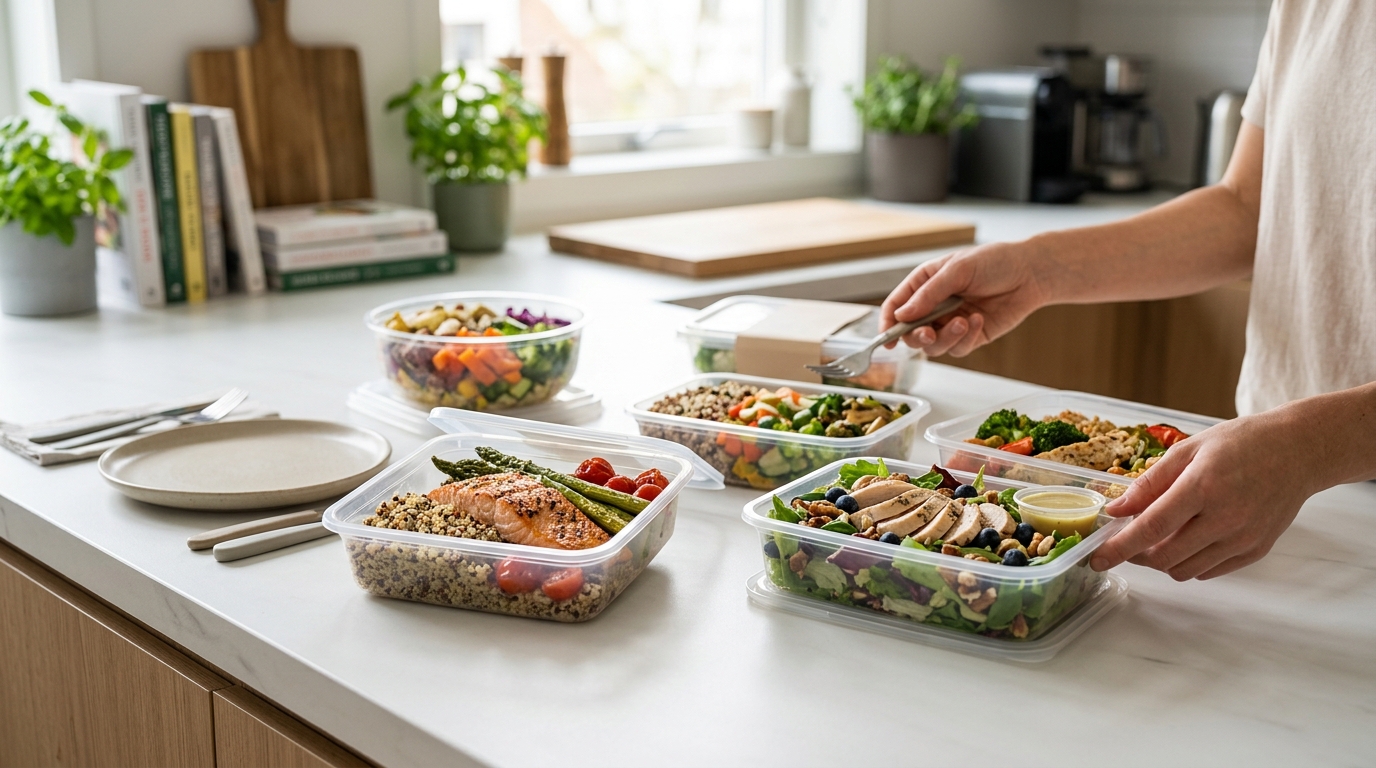
Are meal delivery services actually healthy?
Meal delivery services can be healthy, but they’re not automatically healthier than cooking at home. The biggest factors are the specific plan you choose, portion size, ingredient quality, and how the meals are prepared (fresh vs. heavily processed). Many services offer balanced, dietitian-designed options—yet others lean on sodium, creamy sauces, refined grains, or calorie-dense add-ons that can turn a “convenient” dinner into something less nutritious.
What makes a meal delivery plan healthier?
A healthier service typically offers clear nutrition labels, customizable preferences, and meals built around vegetables, lean proteins, whole grains, and healthy fats. Look for plans that let you filter by goals such as high-protein, lower-sodium, or diabetes-friendly, and that provide ingredient lists you can actually recognize. Meal kits (you cook) often let you reduce salt or oil, while prepared meals are more “set it and forget it,” so the label matters even more.
Potential downsides to watch for
Even “healthy” meal delivery can come with hidden pitfalls. Sodium can be high to preserve flavor in reheated meals, and portions may be too large (or occasionally too small), making it easy to overeat or snack later. Some services also rely on processed components—dressings, flavor packets, or sweetened sauces—that add sugar and saturated fat quickly.
How to choose the healthiest option for you
Start by checking calories, sodium, added sugar, fiber, and protein per meal. As a general guide, many people do well with meals that include 20–35 grams of protein, at least 6–8 grams of fiber, and sodium that stays reasonable for their needs. Prioritize meals with multiple vegetables, whole grains, and minimally processed proteins, and be cautious with “creamy,” “smothered,” or “glazed” dishes if you’re watching saturated fat or sugar.
For a deeper breakdown of what to look for (and what to avoid), read the full guide here: https://finepicknest.shop/are-meal-delivery-services-actually-healthy/.
FAQ
What should I look for on meal delivery nutrition labels?
Check sodium, added sugar, fiber, and protein first, then scan the ingredient list for heavily processed additives. A balanced meal usually includes a solid protein portion, vegetables, and a fiber-rich carb like beans or whole grains.












Leave a comment